




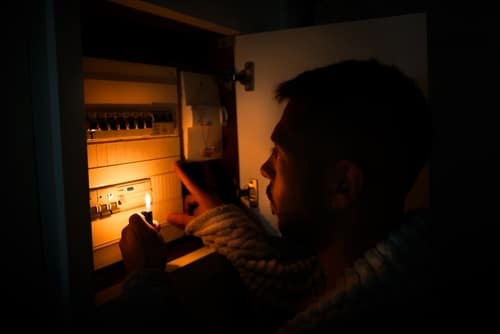
You’ve done everything right. You have a standby generator professionally installed, and you’ve been counting on it. Then a storm knocks out the power—and the generator doesn’t kick on. It’s a frustrating situation, but it’s more common than you might think. Here’s a practical guide to what you can check and when to call for help.
Check the Basics First
Is the generator in AUTO mode? Standby generators have a control panel with settings that include Manual, Off, and Auto. If the selector was switched to Off or Manual after your last maintenance visit, the generator won’t start automatically. Check the panel and return it to AUTO.
Is there a fault code displayed? Most modern standby generators display fault codes or warning lights when something is wrong. Note the code before doing anything else—it tells a technician exactly where to start troubleshooting.
Is the fuel supply on and available? For propane units, check that the tank isn’t empty and the shutoff valve is open. For natural gas units, confirm the gas service is active (sometimes gas can be shut off during emergencies or billing issues).
Common Causes of a No-Start Condition
Dead battery: The starter battery is one of the most common culprits. If the generator hasn’t been exercised regularly or the battery is old, it may not have enough power to crank the engine.
Low oil level: Many generators have a low-oil shutdown feature that prevents the engine from starting if oil is below a safe level. Check the dipstick.
Transfer switch issue: If the generator runs but power doesn’t restore to your home, the automatic transfer switch may be the problem, not the generator itself.
When to Call Pow’r Point
If the basics check out and the generator still won’t start, it’s time to call a professional. Don’t attempt to bypass safety systems or force-start a unit that’s showing a fault. Pow’r Point offers 24/7 emergency service throughout our service area. We’ll diagnose and repair the issue so you’re not left in the dark longer than necessary.
The best way to avoid a no-start situation is regular maintenance. Contact Pow’r Point to schedule your next service visit and keep your generator ready to perform when you need it most.