




When summer temperatures climb across Southern New England and Greater Portland, air conditioners run harder and longer to keep homes comfortable. Multiply that across an entire region and the electric grid faces some of its heaviest demand of the year. Those peak afternoon and early-evening hours are exactly when the system is most likely to strain, and when outages can catch families off guard.
Why Summer Puts Pressure on the Grid
Heat waves drive electricity use to its limits. Cooling systems, refrigerators, and fans all work overtime at the same time, and that simultaneous demand can push the grid toward its capacity. Add a passing thunderstorm or downed line, and a hot day can quickly turn into a sweltering night without power.
What an Outage Means in the Heat
A summer outage is more than an inconvenience. It can mean spoiled food, no air conditioning for vulnerable family members, and sump pumps that stop working during a storm. For anyone who relies on medical equipment or works from home, even a short interruption can be a serious problem.
How a Standby Generator Helps
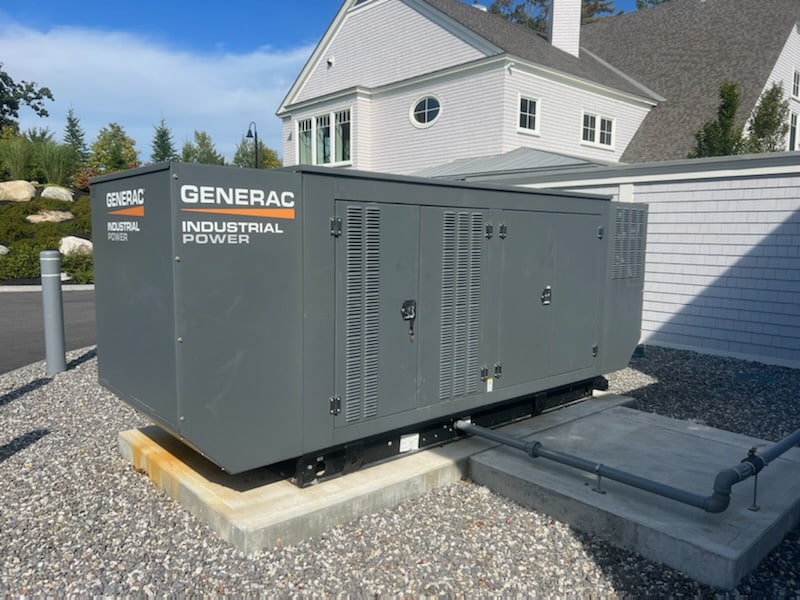
A whole-home standby generator senses an outage and restores power automatically, usually within seconds. Your cooling system keeps running, the refrigerator stays cold, and your household stays comfortable and safe no matter how hard the grid is working. Here are a few things to keep in mind as summer demand rises:
- Have your generator serviced before peak summer heat so it is ready when you need it.
- Make sure the unit is sized to handle your air conditioning load.
- Keep the area around the generator clear so it can cool itself properly.
- Test your system so there are no surprises during a heat-wave outage.
Don’t wait for the next heat wave to find out whether your home is ready. Contact Pow’r Point today to learn how a standby generator can keep your family cool and protected all summer long.