





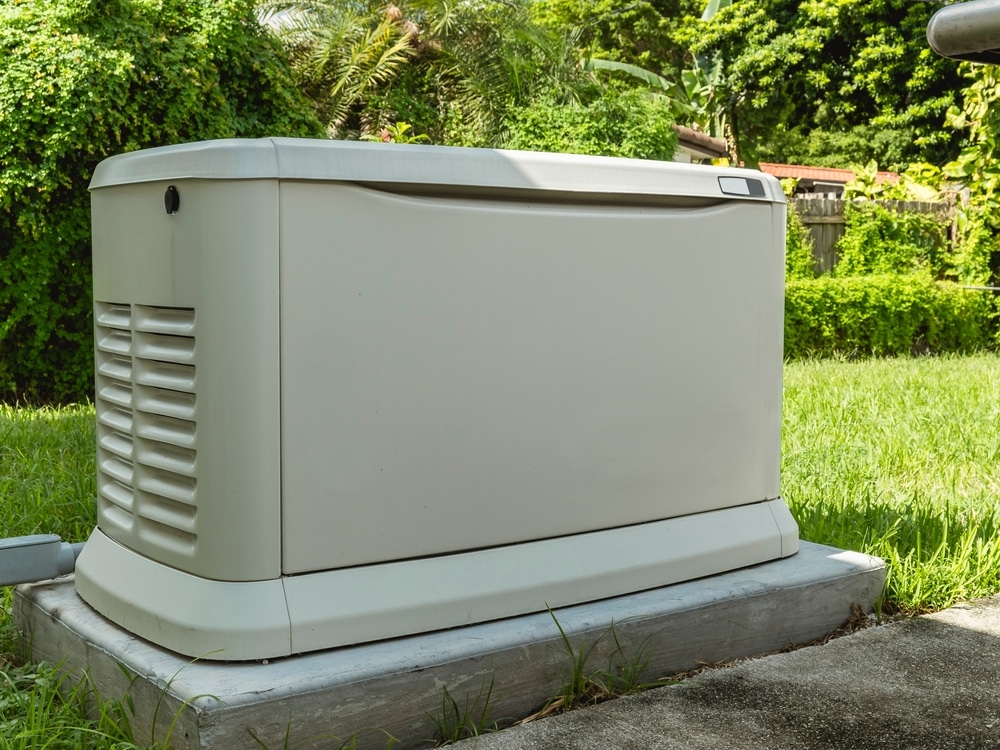
Winter in New England is no joke. Between heavy snowfall, ice storms, and months of freezing temperatures, your standby generator endures a lot—even when it’s not running. Now that spring has arrived, it’s time to give your generator some attention. One of the most important and overlooked maintenance tasks this time of year is clearing the debris that winter leaves behind.
Why Winter Debris Is a Problem
Over the course of winter, all kinds of material can accumulate around and inside your generator’s enclosure: dead leaves, pine needles, twigs, animal nests, dirt, and even ice damage. While your generator’s housing is designed to be weather-resistant, debris buildup can restrict airflow, trap moisture, and invite pests—all of which can affect performance and even shorten the life of your unit.
What to Check and Clear This Spring
Around the unit: Walk the perimeter of your generator and remove any leaves, branches, or debris within at least three feet of the enclosure. Good airflow is essential for safe, efficient operation.
Vegetation growth: Shrubs, grass, and vines can grow surprisingly fast in spring. Trim back anything that crept too close over the winter. Maintain a minimum of 18 inches of clearance on all sides.
The enclosure exterior: Inspect the housing for any visible damage—dents, rust spots, or cracked panels—that may have resulted from ice, falling branches, or frost heaving.
Vents and openings: Check that all vents are free of blockages. Rodents and birds are notorious for building nests in generator vents during the quieter winter months. If you spot signs of a nest, do not attempt to start the generator until a professional has inspected it.
The concrete pad or mounting surface: Look for cracks or shifting in the pad your generator sits on. Frost heave can move slabs over winter and may affect how the unit sits and vibrates during operation.
Don’t Skip the Professional Inspection
Clearing debris is something most homeowners can handle themselves, but spring is also the ideal time for a full professional tune-up. A Pow’r Point technician can inspect belts, filters, fluids, battery health, and run a full load test to make sure your generator is ready for summer storms and beyond.
Don’t let winter’s leftovers become summer’s problems. Contact Pow’r Point today to schedule your spring maintenance visit and make sure your generator is ready for whatever the season brings.