




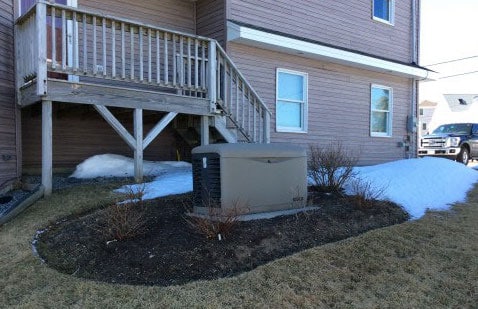
A standby generator is one of those pieces of home equipment that mostly sits doing nothing — until the exact moment you need it. That’s the whole point. But it’s also why generator service is easier to put off than almost any other kind of home maintenance. Nothing seems wrong. The unit is quiet. The lights are on. Why bother?
Because the day the ice storm hits and the grid goes down, you’ll want your Kohler standby to actually start. And a generator that hasn’t been serviced in three years is a generator that’s meaningfully more likely to fail exactly when you need it most.
This guide covers what a proper Kohler generator service in Maine actually includes — what a technician does during a visit, how often service should happen, what it costs, and what happens if you skip it. If you already have a Kohler and want to know what maintenance you’re supposed to be doing, you’re in the right place. If you’re weighing whether to sign up for a service plan versus paying per visit, the trade-offs are covered further down.
Why Kohler Generators Need Regular Service
Standby generators are engineered to sit idle for months at a time and then run reliably when called on. Kohler builds them well — but every generator, regardless of manufacturer, is still a small internal combustion engine tied to a complex electrical control system. Both parts have consumables that degrade whether the unit runs or not.
A few things are working against your generator even when it’s sitting quietly on its pad:
- Oil breaks down over time even without running. Age, humidity, and temperature cycling all affect its properties. Kohler recommends annual oil changes even if the total run time is minimal.
- Batteries degrade whether they’re used or not. Standby generator batteries typically last three to five years. A dead battery means the generator can’t start — the single most common failure mode we see in the field.
- Fuel systems drift out of tune. Natural gas pressure fluctuates. Propane regulators can develop leaks. Fuel delivery components get gummed up. None of these prevent a weekly self-test from running — but they can absolutely prevent a full-load run during an actual outage.
- Maine winters are hard on equipment. Cold soaks batteries. Humidity accelerates corrosion on terminals. Freeze-thaw cycles stress every gasket and seal. Kohler generators are built for these conditions — but they still need to be checked and adjusted for them.
Regular service catches all of this before it becomes a no-start situation. The alternative is finding out about it during an outage, at 2 a.m., in February, when your dealer’s phone is already ringing off the hook with other customers in the same position.
What’s Included in a Standard Service Visit
A proper Kohler generator service visit is not a five-minute look-and-nod. It’s a structured maintenance checklist that a qualified technician works through methodically. Every dealer has slight variations in what they include, but a full annual service typically covers:
- Oil and filter change. Fresh oil to the manufacturer’s specified grade and viscosity, new oil filter, disposal of the used oil.
- Air filter inspection or replacement. Filters get dirty faster in dusty or pollen-heavy sites — many Maine installations are near dirt roads or wooded lots and this can matter more than you’d expect.
- Spark plug inspection or replacement. Depending on the model and hours run since installation.
- Battery test and terminal cleaning. Load-testing the battery under simulated cranking, not just measuring resting voltage. Cleaning corrosion off the terminals and applying protective grease.
- Coolant level and freeze-point check. Especially important before Maine winter — coolant that has degraded can freeze at temperatures your generator will absolutely see here.
- Automatic transfer switch inspection and function test. The ATS is a mechanical device with contacts that wear. A technician will inspect it, clean it if needed, and verify it transfers correctly under simulated grid loss.
- Fuel system inspection. Checking connections, regulator pressure, hose condition, and looking for signs of leaks or wear.
- Full-load run test. This is the one most homeowners never see. The technician forces the generator to actually take over your home’s load — same as it would during a real outage — and verifies it runs stable under real electrical demand. A weekly self-test only exercises the engine, not the load.
- Control panel firmware and error log check. Modern Kohler units log fault codes even when they don’t cause a visible problem. A technician downloads the log, looks for anything unusual, and clears it after service.
You should get a written report at the end of every visit — what was done, what was found, what components are approaching replacement, and any recommendations. If you don’t get one, that’s worth asking about.
How Often Should You Service Your Kohler Generator?
Kohler recommends annual service for residential standby generators, or every 200 operating hours — whichever comes first. For most Maine homeowners, that means once a year, because unless you’re running through frequent multi-day outages, you’re not clocking 200 hours in twelve months.
Beyond the annual visit, there are two other maintenance rhythms worth knowing:
- The weekly self-test. Your generator runs itself briefly on a set schedule — this exercises the engine, keeps oil circulated, and confirms basic function. You don’t need to do anything for this to happen; it’s built in. But you should know when it’s scheduled so you’re not alarmed the first time you hear it.
- The seasonal check. Some Maine homeowners have their dealer do a lighter check-up in spring, in addition to the fall annual service. This isn’t strictly required, but it catches winter damage before storm season — see our post on spring service agreements for whether that’s worth the extra visit.
If your generator runs during a real outage — especially a long one — that’s also a signal to schedule service sooner. A generator that just ran hard for 40 hours is due for an oil check even if the calendar says otherwise.
What Kohler Generator Service Costs in Maine
A one-off annual service visit for a residential Kohler standby in Maine typically runs in the mid to upper hundreds of dollars, depending on generator size, site accessibility, and what parts are due for replacement. That covers labor, standard consumables (oil, oil filter, air filter as needed), and the technician’s time on-site.
Batteries, spark plugs, coolant, and any non-routine parts are extra but they’re not surprises. A good technician tells you upfront when something is due, gives you the cost, and lets you decide whether to do it now or wait.
A few things drive the cost up:
- Larger units. A 26 kW takes longer to service than a 14 kW.
- Remote locations. If you’re a long drive from your dealer, expect a travel component in the quote.
- Neglected service history. A unit that hasn’t been touched in three years usually needs more work at the first visit than one on an annual rhythm.
- Battery or major component replacement. A battery every three to five years is realistic; spark plugs and coolant less frequently.
A dealer who won’t give you a specific number until they’re on your driveway is either being cautious or being cagey. It’s fair to ask for a range up front based on your specific unit and location.
Service Plans vs. Pay-As-You-Go
Most Kohler dealers offer both options: pay per visit as needed, or subscribe to a service plan that covers annual maintenance and often priority response during outages.
Pay-as-you-go makes sense if you’re highly disciplined about scheduling annual service yourself, comfortable calling for repairs when something goes wrong, and don’t mind waiting in line during peak outage periods when service demand spikes.
A service plan makes sense if you’d rather not think about it. Someone reminds you, schedules the visit, shows up when they said they would, and — critically — moves you up the priority queue when a storm hits and half the county is calling at once. That last part matters more than it sounds. A dealer with a service plan customer base has to answer those calls first.
For the specific structure of the plans Pow’r Point Generator offers: what’s included in each tier, response time commitments, and pricing, see our service plans page. For the general logic of why maintenance agreements are worth considering at all, we’ve written about that separately.
What Happens If You Skip Service
The short version: your generator becomes less likely to work when you need it, and your Kohler warranty may not protect you when it doesn’t.
Kohler warranties, like most manufacturer warranties, are contingent on proper maintenance. That doesn’t mean a missed oil change instantly voids everything — but if a claim comes in on a unit that shows visible neglect and no service records, the warranty conversation gets significantly harder. Documented annual service is your best protection against that becoming an issue.
Practically, the failure modes we see most often on neglected units are:
- Dead batteries. By far the most common cause of a no-start during an outage. A five-year-old battery that’s never been tested is a battery about to fail. For more on what to do when this happens, see What to Do If Your Generator Won’t Start.
- Degraded oil. Contributes to accelerated engine wear over time. Rarely causes a single dramatic failure, but shortens the life of the whole unit.
- Corroded electrical connections. Maine humidity gets into everything. Terminals that haven’t been cleaned in years develop resistance, which can cause intermittent starting or transfer switch problems.
- Fuel system leaks or blockages. A generator that self-tests fine on low load can still fail when asked to run the whole house because the fuel system can’t keep up.
None of these are dramatic. All of them are preventable with one annual visit.
Frequently Asked Questions
How much does Kohler generator service cost in Maine?
A standard annual service visit for a residential Kohler standby in Maine typically runs in the mid to upper hundreds of dollars, depending on generator size, location, and what parts are due for replacement. Batteries, spark plugs, and coolant are additional when they come due. A service plan spreads the cost over the year and often includes priority response — many customers find this preferable to pay-per-visit.
Does skipping maintenance void my Kohler warranty?
Not automatically — but it makes warranty claims significantly harder. Kohler warranties require reasonable maintenance and documentation. A unit with a clean service history is protected in a way that a neglected unit isn’t. If you have a Kohler and haven’t serviced it in several years, getting current is worth doing before you need to file any kind of claim.
Can I do the service myself?
Some homeowners handle oil changes and battery checks themselves. That’s legitimate for the basics. But the ATS function test, load test, and firmware check require a qualified technician with the right tools. For warranty purposes, most Kohler owners are better served by having a certified dealer document the annual service.
How long does a service visit take?
A standard annual service on a residential unit is typically one to two hours on-site. Larger units, or first-time services on neglected units, can take longer.Want to skip the guesswork? See our Kohler service plans — annual service, priority storm response, and no surprise repair calls. Or if you’d prefer a one-off visit to get current, get in touch and we’ll schedule it.