




When shopping for a standby generator, one of the first decisions you’ll face is fuel type. The two most common options for home standby generators are natural gas and propane—and each has real advantages depending on your home, your location, and your priorities. Here’s an honest comparison to help you make the right choice.
Natural Gas Generators
How it works: A natural gas generator connects directly to your home’s gas line, drawing fuel on demand from the utility supply.
Key advantages:
- No fuel storage required on your property
- No need to monitor or refill a tank
- Virtually unlimited runtime during extended outages (as long as gas service is maintained)
- Cleaner combustion compared to diesel
Considerations: Natural gas requires an existing gas line at your property. In rare cases, a major disaster can disrupt gas service—though this is far less common than utility power failures. Natural gas also has a lower energy density than propane, which means your generator may use slightly more fuel to produce the same output.
Propane Generators
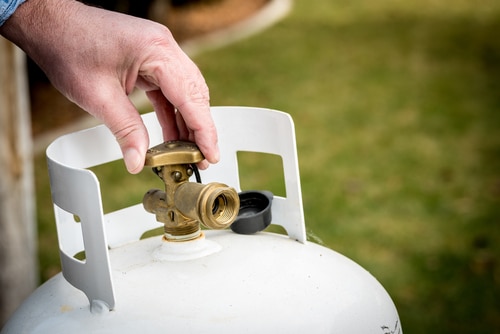
How it works: A propane generator draws from a storage tank on your property, typically ranging from 100 to 1,000 gallons.
Key advantages:
- Available in rural and suburban areas without natural gas service
- Propane stores indefinitely without degrading
- Higher energy density than natural gas means efficient operation
- Fuel supply is fully on-site and not dependent on utility infrastructure
Considerations: Propane tanks require monitoring and periodic refilling. In extreme cold, propane pressure can drop, potentially affecting performance. During widespread emergencies, propane delivery may be delayed, so maintaining a full tank before storm season is essential.
Which Should You Choose?
If your home has natural gas service and you’re in a suburban area, natural gas is often the more convenient and cost-effective choice. If you’re in a rural area—like many of Pow’r Point’s customers in Rangeley and throughout western Maine—propane is typically the better fit.
The Pow’r Point team can help you evaluate which fuel type makes the most sense for your home and usage needs. Contact us today to schedule a free consultation.